Common Mistakes New Residents Make in Attimis and How to Avoid Them
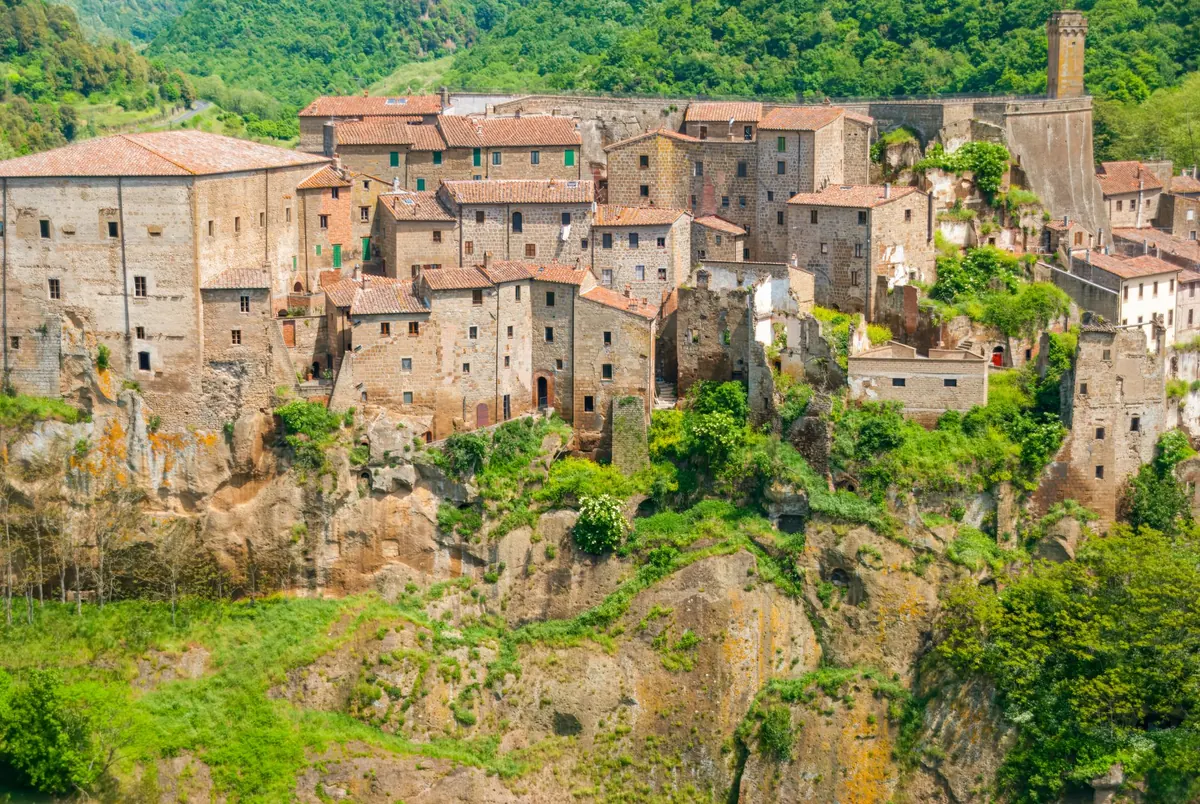
Most people who move to Attimis arrive with the same picture in their heads: hills, vines, the castle ruins on the ridge, and a life that runs at a gentler speed than the city they left. The picture is accurate. What it leaves out is the queue at the counter on a Tuesday morning, the bag of rubbish put out on the wrong day, and the neighbour who would have explained all of it in five minutes if anyone had thought to ask. None of these are serious problems. They are simply the small frictions that make the first six months harder than they need to be.
Assuming the paperwork will sort itself out
There is a sequence to settling in, and doing it out of order is the most common reason a new resident spends a week driving back and forth to Cividale. Each document unlocks the next one, and the offices involved are not always in the same building.
- Sort your codice fiscale first if you do not already have one. Almost everything else depends on it.
- Declare your residence at the comune's anagrafe as soon as you have a lease or a deed in hand. Ask at the counter for the deadline that applies to you — there is one, and it is not generous.
- Register with the local health authority and choose a family doctor. In many areas this can be done at the distretto sanitario rather than by phone; ask which route applies to your address.
- Deal with the waste tax. Depending on how the service is organised here, you may pay through the comune or through the collection company.
- Apply for SPID or the electronic identity card. Without one, most digital services will stay closed to you.
- If you have brought a car, deal with registration and insurance before you drive it regularly, not after.
One honest warning: anything involving residence permits, citizenship, tax residency or property purchase is worth an appointment with a qualified professional — a commercialista or an immigration adviser — rather than an afternoon of forum reading. The rules change, and a mistake found late costs far more than the consultation.
Expecting everything to be open when you need it
Small comuni keep small-comune hours. A lot of counters close for lunch, some open only a few mornings a week, and a few require an appointment even for things that feel routine. The bakery may sell out before ten. The post office may have one person at the window and a queue that moves at its own pace.
The practical habits are simple. Photograph the opening hours on the door the first time you pass, rather than the third time you find it shut. Call ahead if you need something unusual. Group your errands into one morning instead of scattering them across the week. And remember August: the first fortnight empties half the country, and anything you needed urgently in July is better finished in June.
Being too polite about your Italian
Newcomers often apologise for their Italian before they have said a full sentence, then switch to English at the first sign of struggle. It feels courteous. It also slows everything down, because the person behind the counter now has to work in a second language too.
Try the other way round. Say what you came to say, badly, and let the conversation meet you there. Useful phrases to have ready: può ripetere più lentamente? and come si scrive? — ask people to write things down, and carry a small notebook for exactly that. You will use it more than you expect.
You do not need Friulian to live well here, and nobody will test you on it. But a few words go a long way: mandi as a greeting and farewell will do more for you at the bar than a perfectly formed subjunctive. Learn the local names for local things too — a frasca, the seasonal farm opening that sells its own wine and a plate of something simple, is a word worth knowing before the autumn.
Getting the waste collection wrong
This is the mistake almost everyone makes, and the one that gets noticed fastest. Separate collection here is not a suggestion; it is a schedule, with different days for organic waste, paper, plastic, glass and the residual bag, and sometimes different rules again for the hamlets up towards Porzûs compared with the centre.
Three things solve it. Get the calendar from the comune or the collection company and stick it to the inside of a kitchen cupboard door. Put the bin out the evening before rather than at dawn, and bring it back in once it has been emptied. And when you are genuinely unsure whether something belongs in plastic or in the residual bag, ask a neighbour — it is the least intrusive question you will ever ask, and people are usually pleased to be asked.
Waiting to be invited into community life
There is a particular kind of loneliness that comes from attending things. You go to the festival, you buy a plate of food, you stand at the edge, you go home. It can go on for years.
Attimis is small enough that joining is possible, and the doors are not hidden. The Pro Loco, the parish, the alpini group, the choir, the sports club, the volunteers who set up chairs before a sagra and stack them afterwards — all of them need hands and none of them will turn one away. The rule is straightforward: say yes to the first invitation, even if it falls on a working Saturday, and bring something, even if it is only a bottle of wine or an hour of your time. Then say yes again the following month.
The rest happens in ordinary places. Greet people when you walk into the bar. Sit at the counter rather than alone at a table. Go out in the evening, when the village actually talks to itself.
Treating the village as a bedroom
The practical temptation is to sleep in Attimis and live in Cividale or Udine — supermarket, hospital, cinema, everything in one trip. It is an efficient way to run a week, and a slow way to become a stranger in your own street. The bar, the small shop, the baker: they survive on routine custom, and routine custom is also how you get known.
The opposite error exists too. Assuming everything must be found in the village leads to frustration over services that were never here. Learn the rhythm instead: what exists locally, what needs a drive, which bus actually runs and when the last one comes back. Once the map is in your head, the place stops feeling inconvenient and starts feeling manageable.
A first-month checklist that saves a season of small headaches
- Photograph opening hours, waste calendars and noticeboards before you need them.
- Introduce yourself to your immediate neighbours, and ask them the two questions everyone asks: waste days and the best doctor's office for a same-day appointment.
- Register at the anagrafe and keep every receipt, Protocol number and stamped copy in one folder.
- Find the nearest pharmacy and note its half-days; it is the fastest route to practical health advice for minor problems, and the pharmacist will tell you when to see a doctor.
- Take one Italian lesson a week, or one coffee a day in Italian. Both work. Only one is enjoyable.
- Join one local group before the end of the month, whatever it is.
None of this requires special knowledge or a particular talent for bureaucracy. It requires doing the small things early, asking when you are unsure, and accepting that the first invitation is the one that matters. Attimis rewards that fairly quickly.
Photo: Siegfried Poepperl / Pexels

You Might Also Like
Sports clubs, cultural groups, hamlet associations and civic volunteers each ask something different of your time. Here is how they compare, and how to join one without overcommitting.
A practical first-timer's guide to walking near Attimis, from easy village loops to hill hamlets, plus the gear and habits that keep a short hike pleasant.