Traditional Friuli Food in Attimis: A Local Dish Guide for Visitors
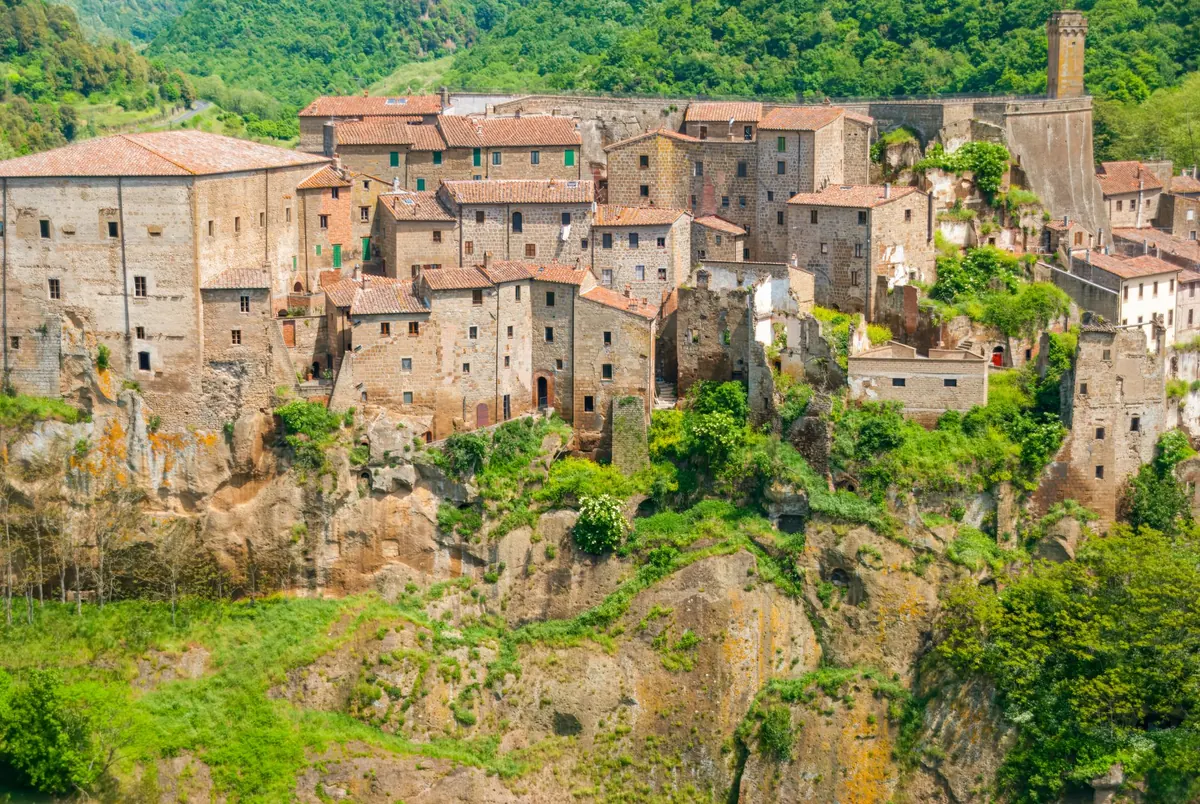
Attimis is the kind of place where lunch is the event of the day and nobody apologises for it. The village sits on the low hills east of Udine, vineyards on one slope, chestnut woods on the other, and the food that comes out of its kitchens on the plain side and the mountain side at once: dairy from the high pastures, maize from the fields, pork cured in cellars, wine from grapes you can watch ripening from the table. What follows is a guide to the dishes worth ordering, the drinks that go with them, and the way the calendar quietly rewrites the menu through the year.
What Friulian cooking tastes like here
Friuli's cooking has a reputation for being plain, and it is — but plain in the way a good ribollita is plain. The base is polenta, pork and dairy, with a sour thread running through it: vinegar, fermented turnips, horseradish, the tang of smoked ricotta. That acidity is not decoration. It comes from centuries of putting food by for winter in a region with cold springs and short growing seasons, and from an Austrian neighbour whose pantry habits never entirely left.
Attimis adds its own layer. The hills around the village are chestnut and hazelnut country, mushroom country, and the woods still fill baskets in October. Twenty minutes north the ground lifts toward the mountains, where the cheeses get firmer and the herbs inside the ravioli get wilder. So the menu here is a conversation between the two: mountain larder, plain-grown grain, and a wine zone that starts at the edge of the car park.
The dishes to order first
If you have two meals in Attimis, spend them on these. Most trattorie and agriturismi keep a version of each, and the differences between them are the point.
- Frico. Montasio cheese melted slowly in a pan with potatoes, onions and butter. The soft version is spooned out beside polenta; the crisp version — cheese and nothing else, cooked until it sets into a golden disc — is broken over other dishes or eaten like a cracker. Order the soft one first, then decide whether you need the crisp one too. You probably do.
- Muset e brovada. A fat, spiced sausage of pork snout and rind, simmered for hours, served over brovada: turnips fermented in the grape marc left after pressing. Sharp, deep, faintly winey. This is the dish people come back for in November.
- Toc in tecia. Veal or pork stewed with a lot of onion, butter and white wine until the sauce is almost sticky. It arrives with polenta and nothing else, and it does not need anything else.
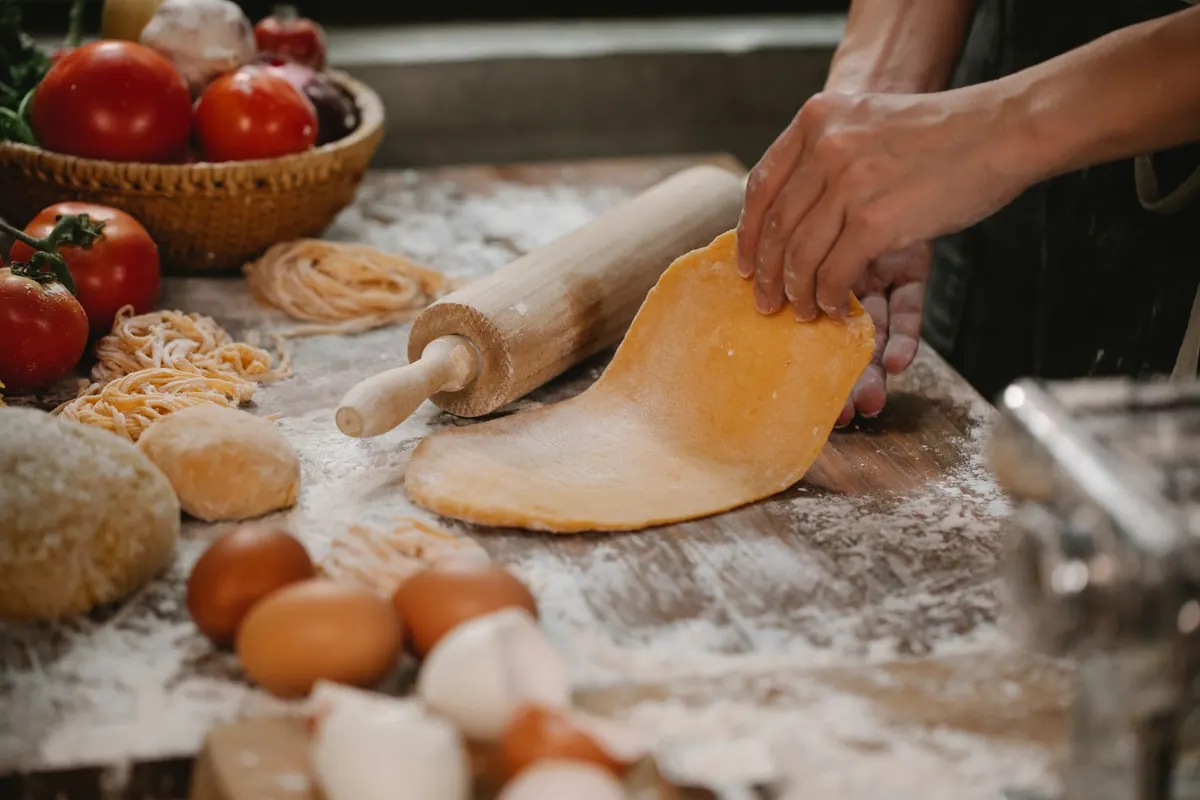
- Blecs. Ragged strips of hand-rolled pasta, cut roughly rather than neatly, dressed with mushrooms, beans or pumpkin depending on the week. Ask what the kitchen is using; the answer tells you what season you have walked into.
- Cjarsons. The mountain ravioli, filled with herbs, raisins, cinnamon and sometimes cocoa — sweet and savoury in the same mouthful, finished with butter and smoked ricotta. Originally from the Carnia valleys, but a fixture on good tables across the province.
- Patate in tecia. Potatoes pan-fried with onion and pancetta until the edges catch. Sounds ordinary. Rarely is.
Two people can order one first course and one second course with polenta and leave full. Polenta usually comes to the table on a wooden board, and the correct move is to slice in from the edge rather than dig out the middle, which keeps the rest warm and stops the centre collapsing into a crater.
Cheese, salumi, and the board you should not skip
Ask for a mixed board and you will get a tour of the province. Montasio is the local workhorse; young it is mild and springy, aged it turns nutty and crystalline, and both are worth trying side by side. Look for formadi frant, a pungent salted cheese from the mountains made from broken curds and often laced with pepper or herbs, and for smoked ricotta, which is grated rather than spread. On the pork side, salame all'aglio and pestât — a soft liver sausage seasoned with herbs, best grilled in slices — show up on most boards.
San Daniele is under an hour's drive west, so the prosciutto served here is not a tourist souvenir but a neighbour's product. Say yes when it is offered.
Wine from the hills around the village
The slopes around Attimis fall inside the Colli Orientali del Friuli zone, and the cellar lists read like a lesson in native grapes. White: Friulano, which tastes of almonds and stays quiet until it doesn't; Ribolla Gialla, bright and lean; Malvasia, more aromatic. Red: Refosco dal Peduncolo Rosso for the stews, Schioppettino for pepper and violets, Pignolo for something denser. Sweet: Verduzzo, and just south of here, on the hills above Nimis, Ramandolo — a honeyed passito that locals treat with real seriousness. Picolit, rarer and stranger, appears on the best lists.
In trattorie the house wine in a carafe is usually from a nearby grower and is entirely the right choice with polenta. For tastings, book ahead: the family cellars around Attimis are small, often open by appointment, and a phone call the day before is normal practice rather than a fuss.
Sweet things, and the bakery counter
Gubana is the big one — a leavened cake from the Natisone valleys stuffed with raisins, walnuts, pine nuts and a splash of grappa. Buy it at a bakery rather than a gift shop, and ask for it slightly warm. In the cold months the pastry counters fill with strucchi, fried dough studded with raisins and pine nuts and rolled in sugar, and at Carnival with crostoli and frittelle. Autumn brings apple fritters and roast chestnuts from a drum on a street corner, which are best eaten standing up, burning your fingers, wondering why you only bought one bag.
Seasonal customs: what is eaten when
- Spring. Wild herbs — silene, dandelion, hop shoots — turn up in frittate and in the filling for herb ravioli. This is the leanest, greenest moment of the year and the one most visitors miss.
- Summer. Hamlet festivals, long tables outside, grilled meat and polenta for a crowd. Portions are generous and the wine is cold; go early in the evening.
- Autumn. Grape harvest, mushroom baskets, chestnuts, and new wine around San Martino in November, when the year's bottles are first opened in company.
- Winter. Muset e brovada, frico, polenta and stews, and the fried sweets of Carnival. Kitchens get heavier and better.
One practical note: small family-run places sometimes close for a few days at a time, especially in January and right after harvest. A phone call before you drive out saves an empty evening.
Where to eat it: a practical plan
- Make lunch the main meal. Kitchens generally serve around 12:30 to 14:00 and reopen in the evening. Sunday lunch is the busiest sitting of the week and needs booking.
- Choose your setting. An agriturismo gives you a set menu, farm products and often a fixed weekend-only calendar; an osteria in the village gives you choice and a shorter meal. Both are worth one slot each.
- Start with a shared board, then order one frico and one stew between two people, plus polenta. Add a vegetable dish if the kitchen offers one from the garden.
- Ask what came from the woods this week. Mushrooms, chestnuts and herbs are the fastest way into the local kitchen, and the answer is usually more interesting than the printed menu.
- Carry some cash for festivals and small counters, and check hours rather than assuming — a closed door in a village of a few hundred people is a long detour.
Nothing here is expensive, and nothing is designed to impress a visitor. If you are driving on the hill roads afterwards, keep the tasting glass a tasting glass; the bends are tighter than they look and the views are the sort that make people turn their heads at the wrong moment. Otherwise, order the second carafe, stay for coffee at the bar, and let the afternoon go.
Photo: Klaus Nielsen / Pexels
You Might Also Like
Sports clubs, cultural groups, hamlet associations and civic volunteers each ask something different of your time. Here is how they compare, and how to join one without overcommitting.
Moving to Attimis goes smoothly when you know which office to visit first, how the waste calendar works, and why the bar in the piazza matters more than any welcome pack.