A Beginner's Guide to Attimis History: Castel di Attimis and the Valley's Past
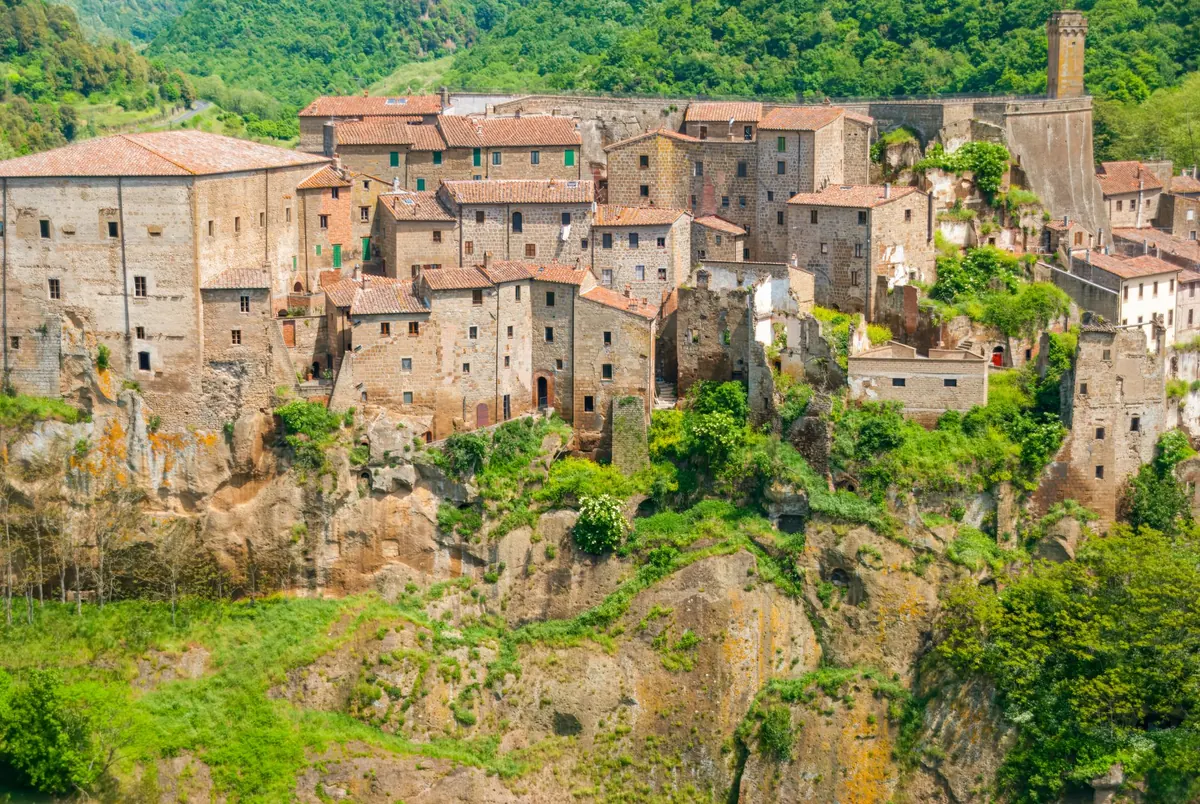
Attimis does not present its history on a plate. Driving up from the plain toward Cividale, you see a scatter of houses, a church, a wall of wooded hills — and, above the roofs, two ragged lines of stone that could be almost anything until someone tells you they are castles. That first moment of not quite understanding is worth keeping. Then take the path up, and the last thousand years start to make sense. What follows is a short orientation for anyone new to the village: the two castles, the family whose name it carries, the work that shaped the valley, and the century that left its own marks on these slopes.
Why There Are Two Castles Above the Village
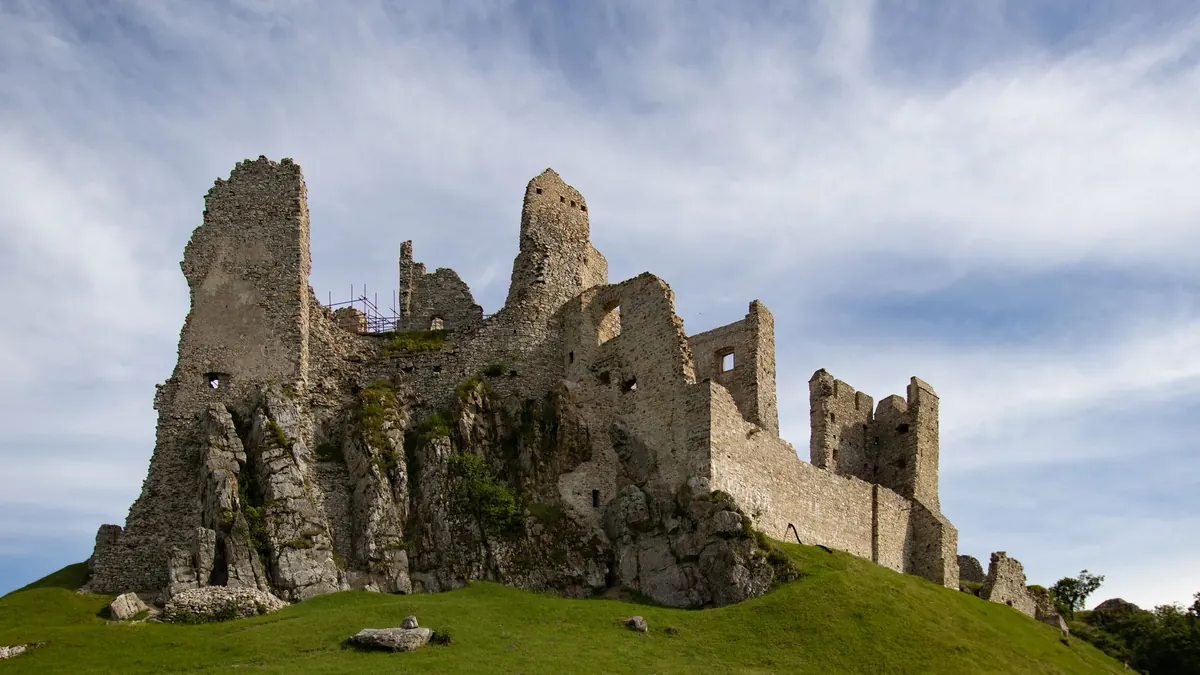
Almost every first visit follows the same route: park in the village, look up, pick a path. Attimis has not one castle but two, and they are close enough to see each other. Castello Superiore sits on the higher summit; Castello Inferiore stands lower on the same ridge, nearer the houses. Both are ruins in the honest sense of the word. No ticket office, no rebuilt keep, no panel doing the work of imagination.
Castello Superiore
The upper castle is the older of the two, and its position explains everything about it. From the top you can see how the land works: flat plain to the south, a road climbing toward the valleys, wooded ridges running east and west. In the Middle Ages that combination — a road, and a place to watch it — was worth money. Local accounts usually put the castle's beginnings in the eleventh century, and it is probably wiser to think of it as something that grew rather than something that was built: an enclosure, a tower, then walls thick enough for a small garrison. What survives is mostly masonry, a length or two of curtain wall, a fragment of tower, and a great deal of sky.
Stand on the summit for a few minutes and the scale changes. The space inside the walls was never large. A medieval garrison here would have been modest, and much of the castle's work was probably administrative as much as military: watching the road, collecting dues, giving shelter, and reminding anyone passing below who controlled the ground. The walls follow the rock rather than a neat geometric plan, which is one reason the ruins can look confusing at first. They were not designed to be read from above by a visitor with a camera. They were designed to use a difficult site.
Castello Inferiore
The lower castle came later and reads differently. Smaller, closer to the village, it feels less like a fortress and more like the place where people actually lived — which is what it became. The two worked as a pair: a strong point on the summit, a residence below it. The break in the story is easy to name. When Venice took over the lands of the Patriarchate of Aquileia in 1420, castles of this kind lost much of their reason to exist, and the great earthquake that shook Friuli in 1511 finished off plenty of what was left. Abandoned buildings become quarries. Look at the older walls in the village and you will find dressed stone that was, until a few centuries ago, part of a castle wall. This is not vandalism so much as practical recycling: good stone was expensive to cut and haul, and a ruined fortress was a ready supply.
The Name, the Family, and the Patriarchate
The village carries the name of the Attimis family, and that is the second clue to the whole landscape. In the medieval period, Friuli was not a single tidy state. Power was layered: the Patriarchate of Aquileia, local lords, Venice, the Holy Roman Empire, and families whose loyalty could shift when circumstances demanded. Castles like these were the visible knots in that network. They were seats of local authority, places where rents were gathered, disputes were judged, and soldiers were raised. The family name surviving in the village is not a small thing; it tells you that local history was shaped by particular people, not only by large impersonal forces.
It is tempting to imagine a clean break in 1420, when Venice took over. Real life was messier. Local families adapted, kept property, served new rulers, and rebuilt their fortunes in different forms. The castles declined not only because warfare changed but because administration changed. Once power was centred more firmly in towns such as Cividale and Udine, and once Venice governed the region through its own officials, an expensive hilltop fortress was less useful than a town house, a country residence, or a position in the new system. The ruins above Attimis are therefore not just military remains. They are evidence of a political order that had stopped working.
The Work That Shaped the Valley
Below the castles, the valley was shaped by work that rarely leaves a dramatic ruin. That is why it is easy to miss. The history of Attimis is not only in stone walls and family names; it is in chestnut woods, small fields, streams, and the roads that connected them to markets. A beginner can learn a great deal by asking a simple question: what did people here live on?
- Chestnut and wood: The wooded hills were not empty scenery. Chestnuts provided flour, fodder, and a reliable food source, while timber and firewood were basic necessities. Woodland was managed, not simply left alone.
- Mills and water: Streams running down from the hills powered small mills and workshops. Water rights could be as valuable as land, and the remains of old channels or mill sites are often hidden in vegetation.
- Small-scale farming: Fields near the village produced grain, vegetables, and wine, while higher ground was used for pasture. The landscape was worked in strips and patches rather than in one grand design.
- Roads and markets: Attimis sat on routes linking the plain to the hills and to Cividale. Goods, animals, and people moved along these roads, and the village's position helped it survive when larger political structures changed.
These activities explain why the houses cluster where they do, why the church sits where it sits, and why the paths up to the castles still feel like routes rather than tourist trails. They also explain why the village did not disappear when the castles did. The fortress was a headline; the fields, woods, and mills were the long story.
What to Look For on the Ground
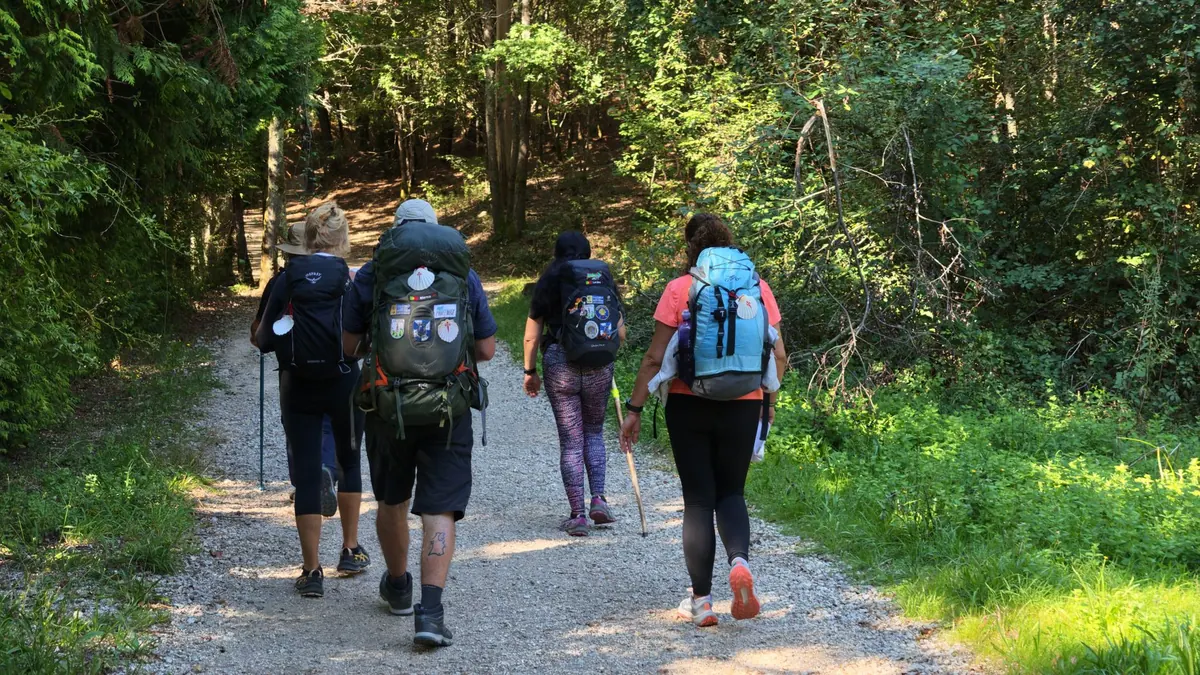
Attimis rewards a slow visit more than a quick one. The ruins are not labelled with elaborate reconstructions, so the visitor has to do some of the work. That is part of the pleasure. A simple walk can be organized around a few things to notice.
- Start in the village and look at the older walls and doorways. Reused stone from the castles is often visible to an attentive eye, especially in foundations and corners.
- Follow the path upward and stop where the view opens. Notice how the road below curves toward Cividale and how the ridges control movement through the landscape.
- At Castello Superiore, look at the shape of the summit rather than expecting a complete building. The ruins make more sense when you see how little flat ground there is.
- On the way down, compare Castello Inferiore with the upper site. Ask why one feels like a watch-post and the other like a place where people lived.
Wear proper shoes and carry water; the paths are short but steep in places, and the ruins are not a manicured park. The reward is not a polished museum experience but a direct encounter with a site that has been left to speak for itself.
The Twentieth Century and the Long Aftermath
The century that left its own marks on these slopes was not the Middle Ages. Emigration changed the village as much as any castle ever did. In the late nineteenth and twentieth centuries, many families from Friuli left for the Americas or for industrial cities in Europe, sending money home and sometimes never returning. War memorials in small villages list names that belong to families still present in the region, and the First and Second World Wars added another layer of loss and disruption. The German occupation and the resistance also left memories that are kept locally rather than displayed grandly.
Then came the earthquake of 1976. The Friuli earthquake damaged or destroyed many buildings across the region, and Attimis was not spared. Reconstruction changed the look of the village in ways that are easy to overlook: new render, reinforced corners, rebuilt roofs, and altered interiors. A visitor who comes only for medieval ruins may miss this, but the twentieth century is part of the same landscape. The village is not a fossil. It is a place that has been repaired, adapted, and lived in.
Why It Still Rewards a Slow Visit
Attimis is not a place that explains itself in one glance. The two castles are the most visible evidence of the past, but they are not the whole story. The family name, the medieval roads, the chestnut woods, the mills, the memorials, and the post-earthquake rebuilding all belong to the same account. The ruins are honest: no one has tried to make them more complete than they are.
The castles are not the whole story; they are the headline. The valley's past is in the fields and paths around them.
For a first-time visitor, the best approach is simple. Walk up, look out, and then come back down and look again at the village. The last thousand years are not arranged in a neat line, but they are there, waiting to be pieced together.
Photo: Jan Brndiar / Pexels

You Might Also Like
Sports clubs, cultural groups, hamlet associations and civic volunteers each ask something different of your time. Here is how they compare, and how to join one without overcommitting.
Moving to Attimis goes smoothly when you know which office to visit first, how the waste calendar works, and why the bar in the piazza matters more than any welcome pack.