Attimis Patron Saint Festival Explained: Traditions, Timing, and Etiquette
Attimis is not a town that shouts. Its festivals arrive quietly, announced by a handwritten notice in the bakery and by the sound of scaffolding going up in the piazza. The patron saint festival is the largest of them, and for a few days the centre of the village rearranges itself around the church, the trestle tables and the stage. If you have just moved to the comune, or you are driving up from Udine or Cividale for the evening, it helps to know what is actually being celebrated, when to arrive, and how to behave so that you are treated as a guest rather than a passing spectator.
None of this is complicated. But a little preparation makes the difference between watching the festival from the edge and being pulled into it — which is, in the end, what these evenings are for.
What the festival is really celebrating
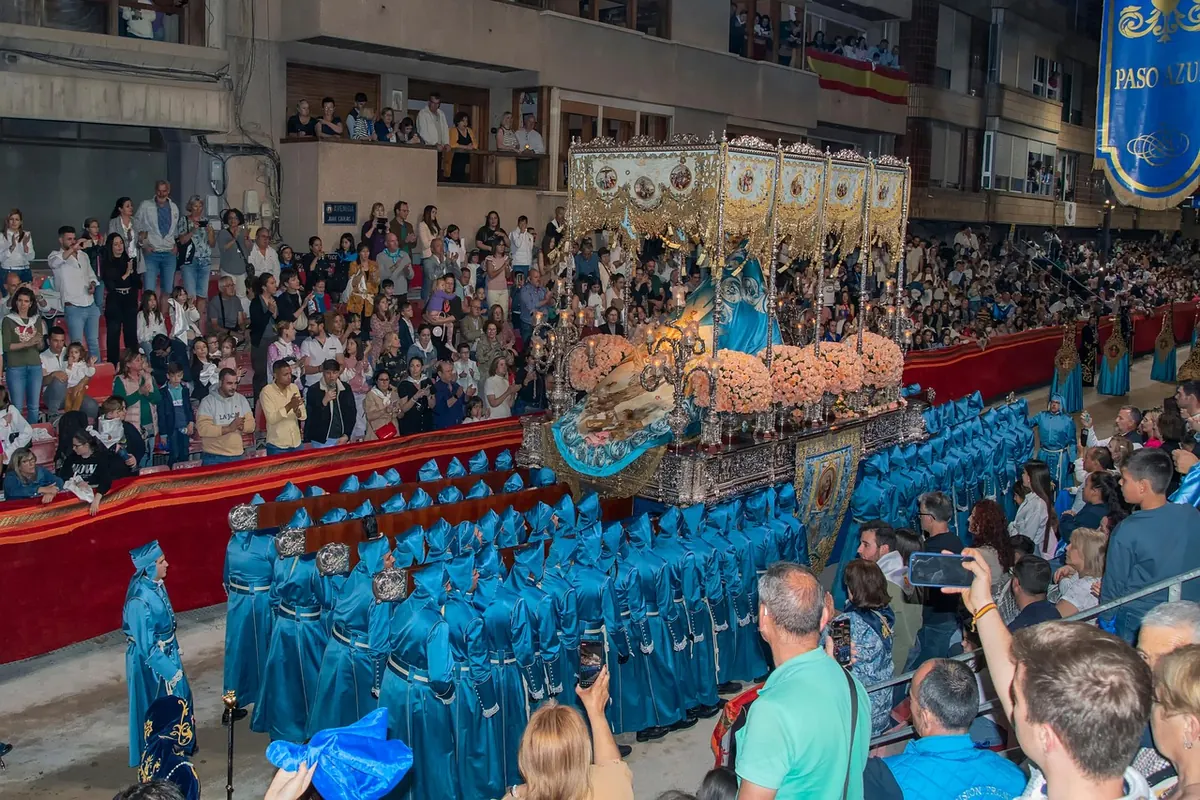
The heart of the event is religious, and it is easy to miss that if you turn up at eight in the evening when the band is already playing. The parish keeps the feast of its patron saint with a solemn Mass, normally followed by a procession that leaves the church and winds through the streets of the village. The stalls, the music and the tombola exist because of that day, not the other way round. Understanding the order of things will make you a better guest.
In Friuli the words sagra and festa patronale are used almost interchangeably, and in practice the two are blended here: a religious observance in the morning, a civil celebration afterwards. The volunteers who run the kitchen are often the same people who sing in the choir. That overlap is the point. It is also why the festival feels like a family lunch scaled up to the size of a village.
The feast day itself
The patronal feast falls at the end of September, and the celebration gathers around it, usually spilling across the nearest weekend. Dates are set year by year rather than fixed in stone, so check the parish notices and the Comune's own announcements before you plan a journey. Do not assume the programme repeats exactly — a different weekend, a different band, a new layout for the stalls.
How the days usually unfold
The shape of the festival is fairly consistent, even when the details change. Expect something like this:
- Morning. The church fills for Mass. Latecomers stand at the back and outside the door, which is perfectly normal.
- Midday. The procession forms and moves through the streets, often with a banner and the parish's own modest finery. Traffic stops. Conversations pause.
- Early afternoon. The kitchen opens. Long tables, shared benches, plates carried two at a time.
- Late afternoon. Children's games, a raffle, the draw for the tombola. This is the part that locals care about most, and the part visitors most often miss.
- Evening. Music, dancing for those who want it, and a slow drift home on foot.
Saturday tends to be the busier evening and Sunday the more family-oriented day. If you want quiet conversation and a chance to talk to the people running the stalls, come early on the first day rather than late on the last.
What to look for, and what not to miss
Certain things are worth setting an alarm for:
- The procession. It is short, unshowy and over before you expect. Stand still, step back from the kerb and let it pass.
- The blessing. Often given at the end of the procession, sometimes to the stalls themselves. It takes two minutes and everyone stays.
- The band. Local wind bands are a Friulian institution. Expect marches, a few popular tunes and a lot of good humour.
- The kitchen queue. Join it. The food is cooked by people who have done this for decades, and the queue is where the gossip is.
- The older residents at the edge of the square. They have seen forty of these festivals. A buonasera costs nothing and is remembered.
At the table
Food is where the festival becomes genuinely convivial. Menus lean on the region: frico with polenta, cured meats, cjarsons when there is someone willing to make them, and a dessert table that usually includes gubana. Wine comes from the surrounding hills, which is to say from the Colli Orientali — the vineyards you drove past on the way up. Portions are generous and prices are set by volunteers, not by a marketing department.
Two practical notes. Bring cash; card readers are increasingly common at these events but not guaranteed, and the small raffle tickets are almost always coin-only. And take a seat where there is space at the long tables rather than holding an empty bench for late arrivals — sharing is the whole format.
Etiquette that locals actually notice
This is a working parish festival, not a theme park. The following will keep you on the right side of everyone:
- Dress for the church. Cover your shoulders and skip the beachwear if you plan to go inside, even briefly.
- Be quiet during Mass and the blessing. Phones away, conversations outside, no filming up the aisle.
- Keep the centre aisle clear when the procession forms. Stand to the side and let people find their places.
- Ask before photographing people, especially children and the elderly. A gesture towards your camera and a raised eyebrow is enough.
- Do not park on verges, in driveways or on the grass in front of someone's house. Village parking is tight and residents need to get out.
- Clear your tray. The bins are usually by the exit, and the volunteers who clean up at midnight will have been on their feet since morning.
- Buy something. A plate, a drink, a raffle ticket. The festival pays for itself through small purchases, and nobody is expected to spend much.
Getting there, timing and weather
Attimis sits in the hills, and the roads in from Nimis, Faedis and Tarcento are narrow in places. On festival evenings the centre is often closed to traffic or effectively so, and parking fills quickly. Arrive half an hour earlier than you think you need to and walk the last stretch. Wear shoes that cope with cobbles and gravel, and bring a layer for the evening — the temperature drops once the sun goes behind the hills, even in September.
If it rains, some events move indoors or are shortened rather than cancelled. Ask at the bar or check the parish noticeboard rather than assuming the whole thing is off.
Before you go
Check the current year's programme for exact dates and times, since the weekend shifts. Bring cash, arrive early, and plan to stay longer than you intended. Say buongiorno when you arrive and buonasera when you leave, and treat the church as the reason for the party rather than an obstacle in front of the food stalls. Do that, and you will be recognised next year — which, in a village of this size, is the highest compliment available.
Photo: ELG21 / Pixabay
You Might Also Like
Sports clubs, cultural groups, hamlet associations and civic volunteers each ask something different of your time. Here is how they compare, and how to join one without overcommitting.
Moving to Attimis goes smoothly when you know which office to visit first, how the waste calendar works, and why the bar in the piazza matters more than any welcome pack.