Attimis Festival Calendar: A Seasonal Checklist for Spring and Summer Events
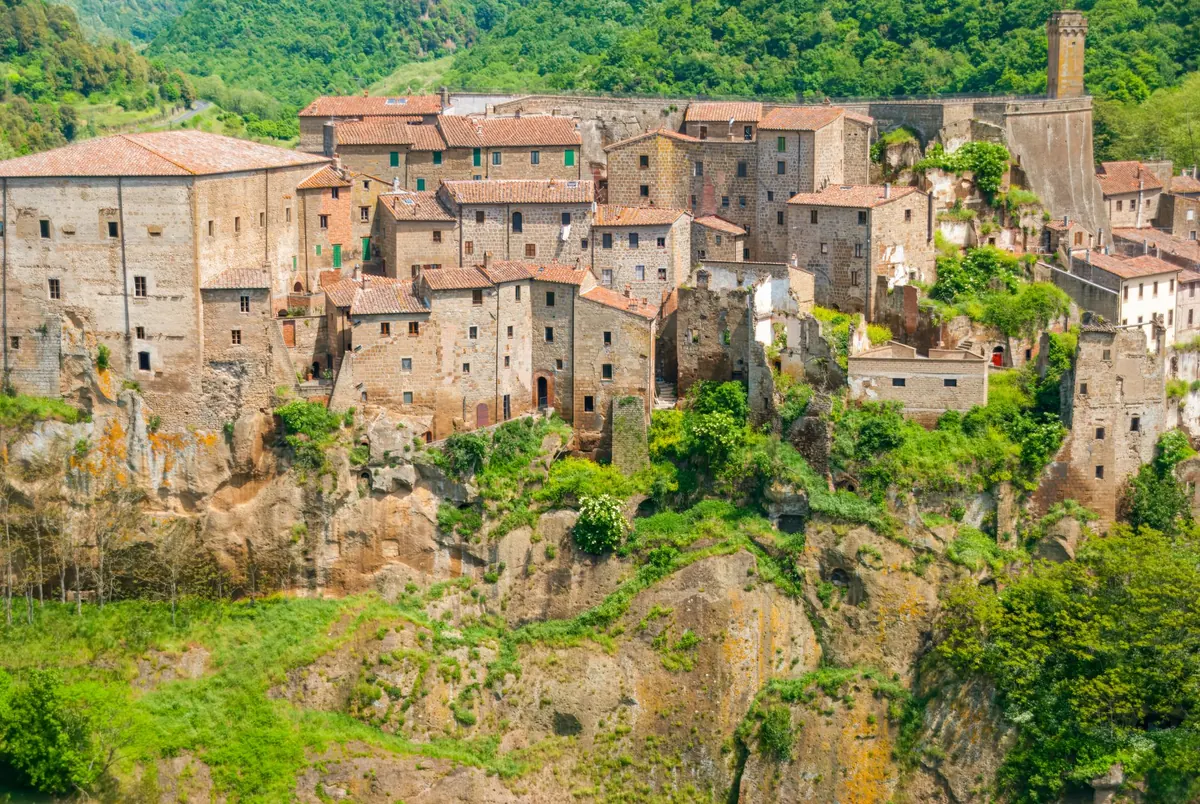
Spring in Attimis announces itself in small ways. A few more bicycles on the road towards Cergneu, the first tables dragged out of doors, wood smoke giving way to the smell of cut grass. Then the posters start appearing on the noticeboards, and by the end of April the calendar looks nothing like it did in March. The season here runs on parish festivals, Pro Loco evenings, cellar open days and walks into the hills, and the exact dates shift from year to year. What follows is a month-by-month guide to that rhythm: what usually happens when, which weekends deserve a place in your diary, and what to sort out before everyone else does.
April: Long Weekends, Short Notice
April is the month of moving targets. Easter decides a good part of the calendar, so anything tied to the parish or to a long weekend slides earlier or later depending on when the holiday falls. That makes April hard to plan far ahead, and easy to enjoy at short notice.
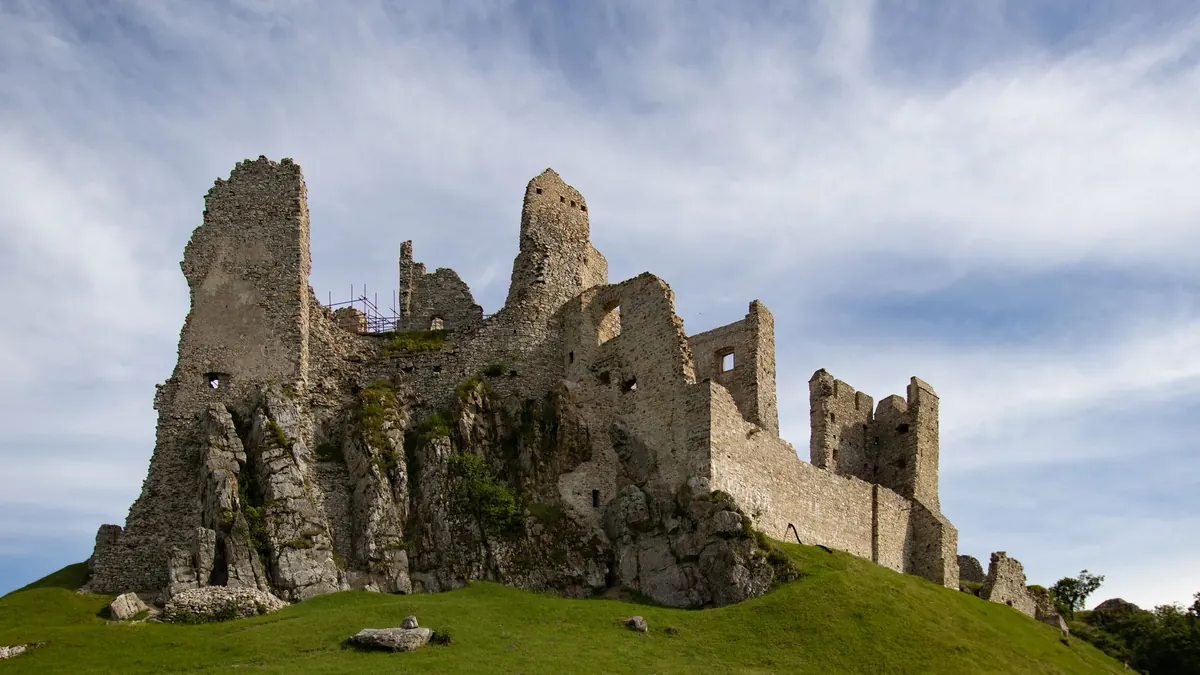
Two fixed points help. The 25 April national holiday usually brings the first proper outdoor Sunday of the year: walks into the hills above the village, cellars opening their doors, families settling in for a long lunch. And the weather in between is genuinely unreliable. A morning that looks like June can turn into a cold wind by three o'clock, so keep a jacket in the car and a Plan B in mind — the covered parts of the village, a long lunch, a visit to the castle ruins at Cergneu when the rain passes.
Most April events are announced two or three weeks in advance, sometimes less. If you are travelling from outside the area, don't build a trip around a single poster you saw in February.
May: The Month That Fills Up
May is when the calendar starts to crowd. The 1 May holiday opens the month, and from there the weekends come thick with open cellars, small markets, spring walks and parish celebrations — first communions in particular tend to land in this stretch and bring family lunches that fill the restaurants of the valley.
The practical consequence is choices. There will be more than one thing worth doing on the same Saturday, and trying to fit three into an afternoon means spending most of it in the car. Pick two, leave the rest. If a cellar visit matters to you, note that many small producers in the Colli Orientali open by appointment rather than on a fixed schedule, and a phone call a few days ahead is often the difference between a tasting and a closed door.
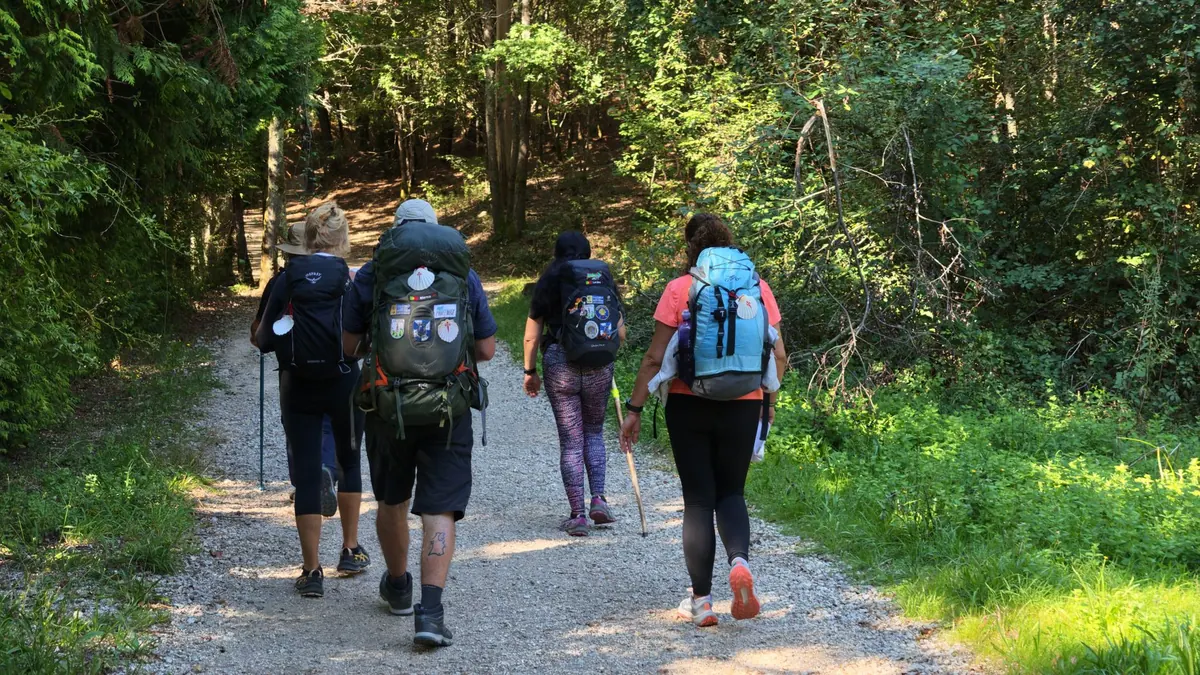
This is also the best month for walking before the heat settles in. Trails towards Porzûs and the woods above the village are at their most comfortable now. Wear proper shoes; the paths are stony and the grass is wet until late morning.
June: Long Evenings and the First Sagre
June changes the shape of the day. The 2 June holiday gives the month an early anchor, and after that the events move outdoors and later: tables in the piazza, music that starts at eight and finishes when people decide it should, the first of the summer sagre with their long tables and short menus.
Two habits make June easier. First, arrive early. A village festival that seems quiet at half past seven can be full by eight, and the queue at the food stand moves at its own pace. Second, carry cash. Smaller events often have no card reader, and the bar doing the drinks is not always the same organisation as the one doing the plates.
June is also the month when the parish and the Pro Loco confirm their summer programmes, so it is worth checking the noticeboards in the centre and the parish bulletin at the start of the month. That is when the July and August dates become real rather than provisional.
July and August: The Peak Weeks
This is the busy stretch, and it rewards a little planning.
What usually happens
Expect several sagre across the hamlets, open-air cinema or music evenings, cellar events tied to the growing season, and the big summer feast days that bring people back to the village from further afield. Weekends are busier than weekdays, and the middle two weeks of August are busier than everything else — the period when families gather and the valley fills with visitors who know exactly where they are going.
How to handle it
Parking near the centre is limited, and the roads through the hamlets are narrow. Arrive before the event starts rather than at the advertised hour, and be ready to walk a few hundred metres. If you want a table at a restaurant rather than a bench at a festival, book a week or two ahead in July and three weeks ahead around Ferragosto. For anyone staying overnight, accommodation in the Colli Orientali sells out early for those weeks; a booking made in spring is not excessive caution.
And if you are driving, decide who is not drinking before the first glass is poured. The roads here are dark and winding, and there is no clever way around that.
September: The Quiet, Warm Ending
September still counts as summer here. The light softens, the harvest begins, and the calendar thins out into smaller, better-humoured events — cellar days, harvest suppers, the last sagra of the season. Accommodation is easier, restaurant tables are easier, and the walk you postponed in August is suddenly pleasant again. If your priority is a relaxed visit rather than a specific festival, this is the month to pick.
The Booking Checklist
Work through this in the order given; each step saves trouble later.
- Fix your dates first. Confirm the actual event date on the town hall's events board, the Pro Loco's page or the parish bulletin before booking anything else. Posters and social posts sometimes carry last year's date by mistake.
- Book beds early for July and August. Spring is not too soon for the peak weeks; for the rest of the season, a fortnight's notice is usually enough.
- Reserve restaurant tables a week ahead for ordinary weekends and two to three weeks ahead around Ferragosto or a major feast day.
- Contact cellars directly if you want a tasting. Many work by appointment and small groups are easier to accommodate than large ones.
- Plan the journey home before the evening starts: designated driver, taxi, or a place to stay within walking distance.
- Pack for two seasons. Sturdy shoes, a light rain layer, a warm top for late evenings, and cash for the stands.
None of this is complicated, but the visitors who enjoy the season most are the ones who sorted the small things in advance and then stopped thinking about them.
Before You Set Out
Dates in a village calendar are living things. A sagra moves because the field is needed, a concert shifts because a band cancels, a walk is postponed because the forecast turns. Treat any published list, including this one, as a map rather than a timetable, and confirm the week you plan to come. Then leave room in the day. The best part of spring and summer in Attimis is rarely the thing on the poster — it is the extra hour spent at the table afterwards, when the plates have been cleared and nobody is in a hurry to leave.


You Might Also Like
Sports clubs, cultural groups, hamlet associations and civic volunteers each ask something different of your time. Here is how they compare, and how to join one without overcommitting.
Moving to Attimis goes smoothly when you know which office to visit first, how the waste calendar works, and why the bar in the piazza matters more than any welcome pack.