Attimis Winter Events: A Planning Guide for Holiday Markets and Concerts
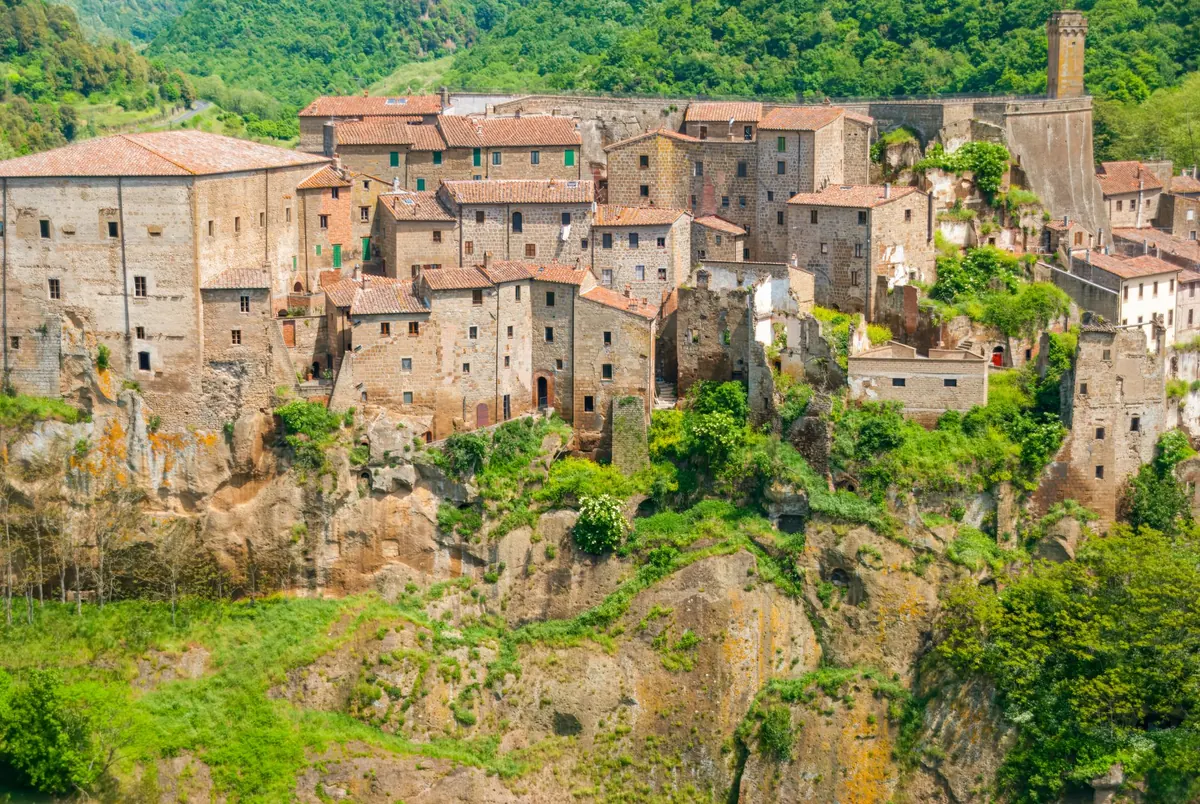
Attimis does winter at a human scale. There is no giant tree in the square and no line of coaches idling by the church; the season shows up instead in the parish hall, in the porch of the church, and in the steam rising off a pot of polenta behind a market stall. For a first-time visitor the hard part isn't finding something to do. It's knowing which weekend, which door, and how you'll get home afterwards on a road that iced over at sunset. What follows is the shape of a typical holiday season in and around the village, and how to plan around it without over-scheduling yourself.
The Season Runs on Its Own Calendar
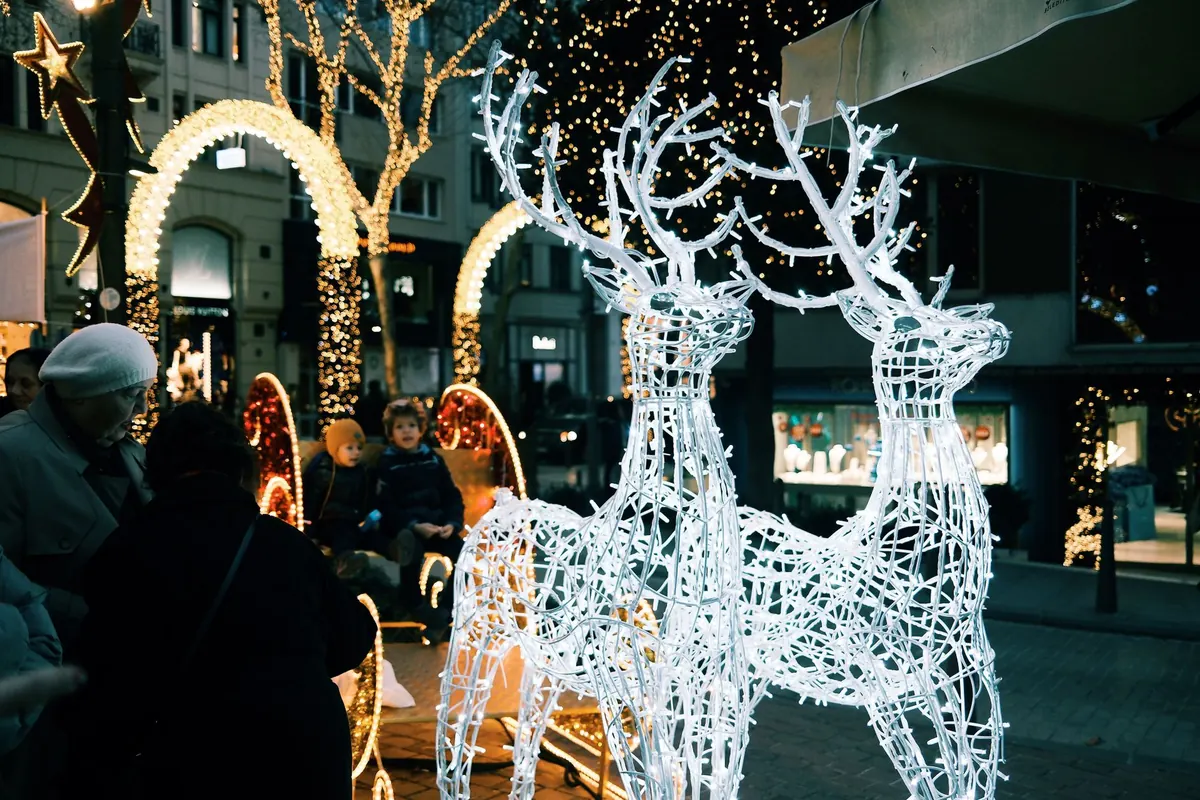
The winter programme here doesn't begin in November with a ceremonial switch-on. It starts around 8 December, the Immacolata, when the first small markets appear, and gathers pace over the next three weekends. If you have children with you, note the date that matters most locally: 13 December, Santa Lucia, who in Friuli — rather than Santa Claus — is the one who brings gifts. Several parish events are arranged around that evening, and the children's faces when the saint appears are worth more than any illuminated reindeer.
Christmas Eve and Christmas Day are family occasions; expect most stalls and halls to be shut. Santo Stefano, the 26th, brings a second wave, then things go quiet until New Year's Eve, when villages tend to do one of two things: a long dinner in the hall, or a short party that ends at midnight mass. The season closes on 6 January with the Befana and, across the wider Friuli foothills, the Epiphany bonfires known as pignarûl, lit on hillsides you can sometimes see from the road. If the sky is clear and there is no fog in the valley, the bonfires are the single best evening of the whole period — a dozen separate fires strung across the slopes above you, each one a different hamlet announcing itself.
Two consequences follow. Most events are one-day affairs rather than a fortnight-long fair, so a visit planned for the wrong Saturday will find a dark piazza and a locked hall. And dates move. Parish notice boards, the comune's announcements and the windows of the bakery and the bar are more reliable than anything printed months ahead. Ask in the bar on the main road: whoever is behind the counter will know not only which Saturday, but which door of the parish hall, and whether there will be a heated room or only a marquee.
What the Holiday Markets Are Like
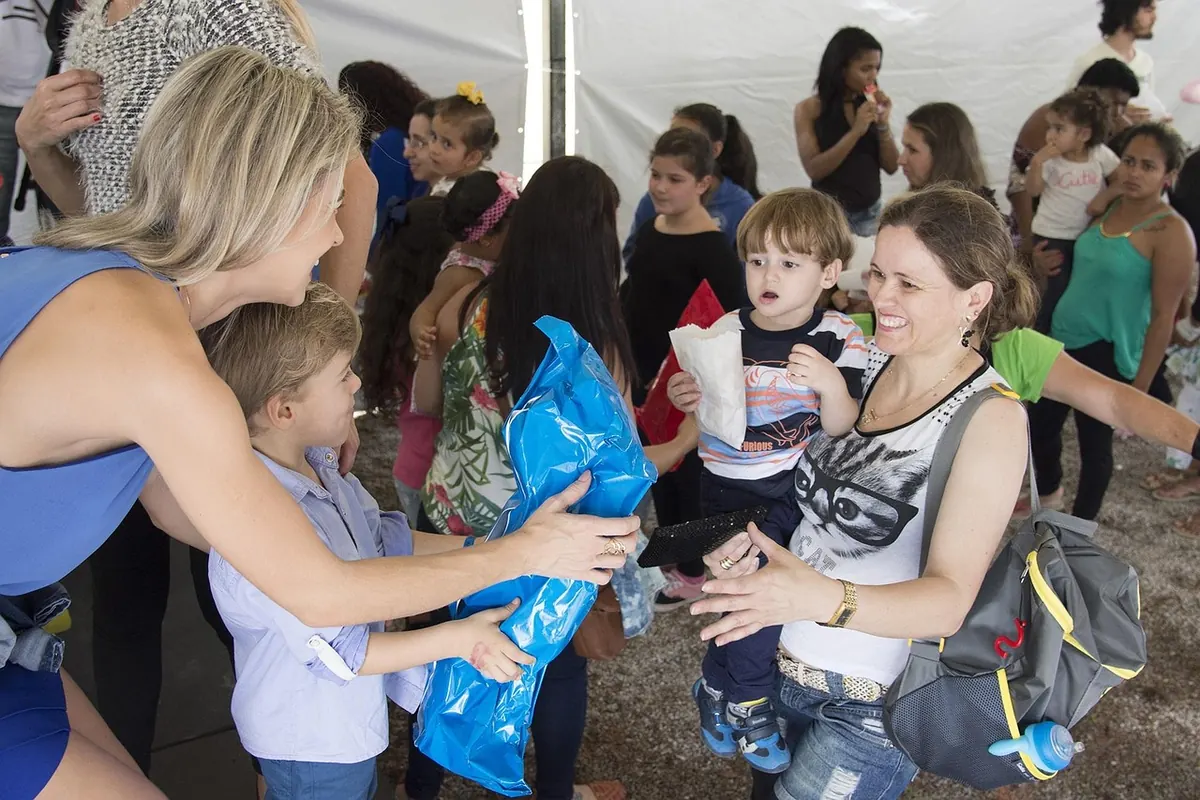
Set your expectations to village scale and you'll enjoy them more. A good market here means fifteen to thirty stalls, half of them food, held in a hall or under a marquee with a gas heater at each end and a knot of people standing directly in front of it. You'll find honey and cheese from farms a few kilometres away, salami, gubana and other nut-and-raisin holiday baking, jars of preserved fruit, and decorations sold by the same families year after year. Wineries from the Colli Orientali pour their way up the road to Cividale and set up a table with bottles, a crate of glasses and a folding chair: refosco, a little schioppettino, and a pot of something hot and spiced for the people who are only there to warm their hands.
Timing is loose but predictable. Most markets open late morning on a Saturday or Sunday and close in the early evening, and many run only on the Sunday. The first hour is quiet and the best time to talk to producers; the middle of the afternoon is when the hall is full and the children's workshop, if there is one, is at its noisiest. Arrive by 11:00 and you will park easily, taste unhurried, and still be home in daylight.
Bring cash in small notes. A handful of stalls now take cards, but most take a folded note and hand back change from a tin. Bring your own bag, too, and be aware that if you buy a gubana and a piece of cheese you will be carrying them for the rest of the day. There is usually a table set up near the door with paper cups and a jug of something, and the toilets are either in the hall or, by unspoken agreement, in the bar.
Concerts, Choirs and Cold Churches
The other half of the season is music, and it is almost all amateur, almost all free, and almost always better than you expect. The parish choir sings at the Christmas masses; the local banda — the brass band that exists in nearly every Friulian village — turns out in uniform for a concert in the hall or, weather permitting, in the churchyard. There are organ recitals, small ensembles of strings and recorders put together by whoever teaches in the area, and on the Epiphany a group of pive or bagpipers who arrive from further south and play in the porch before moving on to the next village.
Two practical notes. Village concerts start on time — unusually for Italy — because the church has another service afterwards and the hall has another booking. Being twenty minutes early is not early: it is how you get a seat rather than a standing spot at the back. And the church is cold. It is a stone building that has been cold since the sixteenth century, so wear the coat you wore outside and consider a second pair of socks. The music is worth it: sung in a small stone church with forty people in the pews, a plain four-part carol sounds considerably better than it has any right to.
Entry is free, with a basket at the door for the choir or the parish. Put something in it.
Getting There, and Getting Home After Dark
This is the part that catches people out. Attimis sits on the road towards the hills, and after about four in the afternoon in December it is dark, often foggy, and occasionally icy in the shaded stretches where the sun never reaches the asphalt. The hamlets — Subit, Racchiuso, Forame, and the lanes climbing towards Porzus — are unlit in places and narrow everywhere. None of this is dangerous if you plan for it; all of it is unpleasant if you don't.
There are no taxis to speak of and the evening buses are thin, so one person in your group should be the designated driver and should stick to the hot spiced wine's non-alcoholic cousin. If you are staying overnight, book early — the few rooms in the area fill for the Santo Stefano and Epiphany weekends — and check whether your host's access road is salted. If you are driving back to Cividale or Tarcento, leave the concert by 22:30, before the last of the local traffic and the temperature both drop.
A Sample Weekend
Saturday: arrive around 11:00, park near the centre, walk the market while it is quiet, buy cheese and honey, have lunch. Rest in the afternoon. Back out at 20:15 for a concert at 20:30. Sunday: a short walk in the cold morning, the market again if it is running, a long lunch, and the drive home before the light goes.
Small Things That Save Trouble
- Check the board, not the internet. The parish notice board and the bar window are the living programme.
- Carry cash in €5 and €10 notes, plus a bag for purchases.
- Warm shoes, warm coat, spare socks. You will stand outside more than you think.
- One event per evening. Markets, concerts and dinners overlap badly, and the roads between them are the slow part.
- Arrive early for anything with seats and take a torch for the walk back to the car.
- Ask before you rely on it. If a poster says a date, confirm it with a person; if a person says a time, confirm it again on the day.
Plan for less than you think you should, and the season here rewards you: a hall full of people who all know each other, a choir slightly sharp on the top line, and the drive home through the dark with the smell of someone's fire coming through the vents.
Photo: Sami TÜRK / Pexels
You Might Also Like
Sports clubs, cultural groups, hamlet associations and civic volunteers each ask something different of your time. Here is how they compare, and how to join one without overcommitting.
Moving to Attimis goes smoothly when you know which office to visit first, how the waste calendar works, and why the bar in the piazza matters more than any welcome pack.